
Study and Work in Europe: A Detailed Guide

Europe is not only famous for its rich culture and long history, but it is also an ideal destination for those who want to study and work. With so many academic and career opportunities, it's important to learn about the process, requirements, and things to keep in mind when studying and working here. This article will give you an overview and details of this journey.
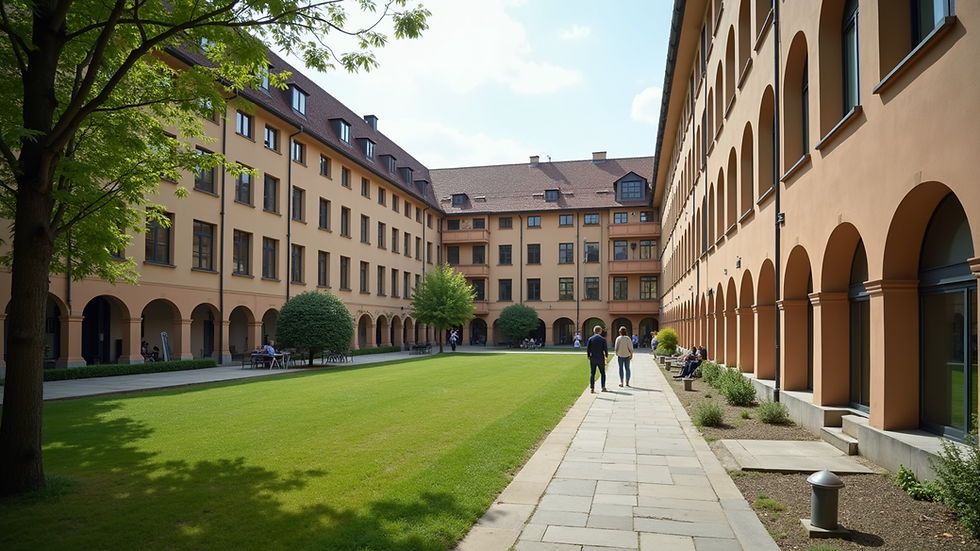
Why Study in Europe?
High quality of education
Europe is home to many of the world's top universities, such as the University of Oxford, the University of Cambridge, and ETH Zurich. These schools are not only renowned for the quality of their teaching but also for their research. Students will have access to diverse and modern academic programs.
Cultural diversity
Studying in Europe allows you to experience many different cultures. You will have the opportunity to meet and make friends with students from all over the world, thereby broadening your horizons and understanding of different cultures.
Career opportunities
Many European countries have policies to support international students in finding employment after graduation. This gives you the opportunity to gain experience working in an international environment.
The Process of Studying in Europe
Step 1: Choosing a Country and School
First, you need to determine the country you want to study in. Some popular countries for international students include Germany, France, the Netherlands, and Sweden. Each country has a different education system and requirements, so do your research thoroughly.
Step 2: Prepare your application
A study abroad application usually includes:
Degrees and transcripts
Letters of recommendation
Personal essays
English language certificates (IELTS, TOEFL)
Step 3: Apply
After preparing your application, you can apply to the school of your choice. Make sure you apply on time and in accordance with the school's requirements.
Step 4: Apply for a visa
When you are admitted to the school, you need to apply for a student visa. Each country has different processes and requirements, so do your research to make sure you have the necessary documents.
Work in Europe after studying abroad
Job opportunities for international students
Many European countries allow international students to work during their studies. Typically, you can work up to 20 hours per week during the semester and full-time during the holidays.
Apply for a work visa
After graduation, if you want to stay and work, you need to apply for a work visa. Some countries have easier policies for international students, allowing them to stay and look for work for a certain period of time.
Essential Skills
To succeed in the European work environment, you need the following skills:
Good communication skills
Teamwork skills
Problem-solving skills
Things to keep in mind when studying and working in Europe
Cost of living
The cost of living in Europe can be quite high, depending on the country and city you choose. Plan your finances carefully to ensure you have enough money to cover your tuition and living expenses.
Culture and Customs
Each country has its own customs and culture. Learn about these things to avoid unnecessary misunderstandings and better integrate into your new life.
Support Network
Look for student organizations or Vietnamese communities where you study. They can provide useful information and support you in the integration process.
Conclusion
Studying and working in Europe is a challenging but also exciting journey. With the detailed information and instructions in this article, hopefully you will have a clearer view of the process and what to prepare. Start your journey today and discover the opportunities that Europe has to offer!


Comments